
The Nationalization of the Ashkenazi Tradition in Israeli Religious Zionist Congregations
Keywords:
Religious Zionism, Negation of Exile, Ashkenazi Tradition, Ashkenazi Ethnicity, Nationalization of Tradition, Youth Minyan, Religious Education, Communal Religious LifeAbstract
The tension existing within Religious Zionism between exile and its negation, and between the ‘new Jew’ and the ‘old Jew’, has been documented and studied in two main contexts: firstly, against the background of the connection between Religious Zionism and Jewish communities in the Diaspora, and secondly, against the background of ideological and political initiatives, following the Six-Day War, calling to adopt activist Zionist approaches rather than maintaining conservative patterns. Less attention has been paid to the influence of this tension on communal religious life in Israel – perhaps with the exception of the Religious Kibbutz Movement, and the lively debate in recent years surrounding issues of gender and halacha (Jewish law). I wish to present the influence of this tension on a process that often appears marginal, but which in fact plays an ongoing role in molding the dominant ethno-religious character of Religious Zionist communities in Israel: the nationalization of Ashkenazi tradition. The article addresses the involvement of Religious Zionist educational institutions and communal frameworks in the deconstruction and national reconstruction of Ashkenazi ethnicity. It will elaborate on the development of a phenomenon that has played a significant role in this process: the youth minyan (prayer quorum).
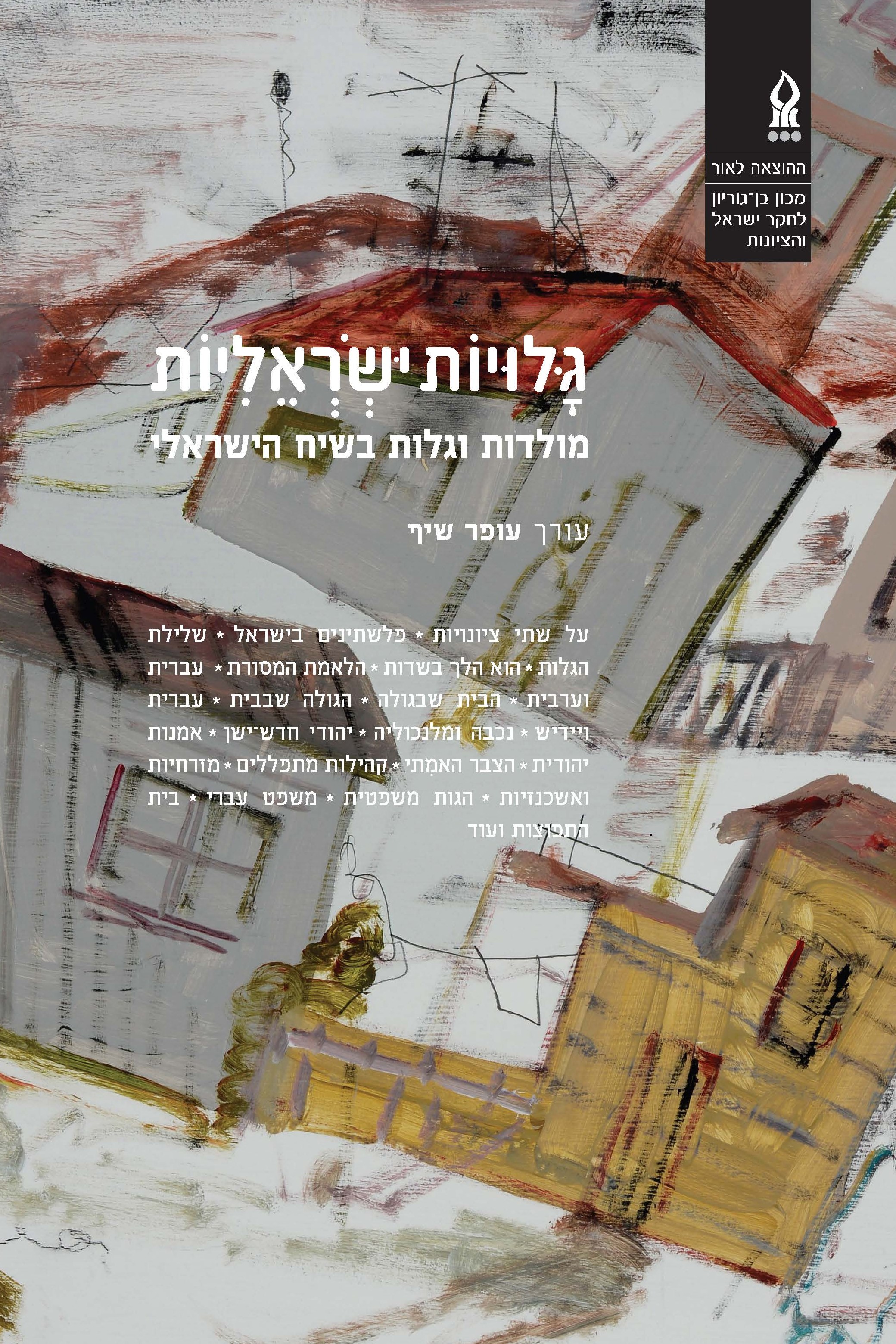
Published
Issue
Section
License
Copyright (c) 2015 IYUNIM: Multidisciplinary Studies in Israeli and Modern Jewish Society

This work is licensed under a Creative Commons Attribution-NonCommercial 4.0 International License.
Unless otherwise indicated, all articles published in IYUNIM: Multidisciplinary Studies in Israeli and Modern Jewish Society are licensed under a Creative Commons Attribution-NonCommercial 4.0 International License (CC BY-NC 4.0).
Under the terms of this license, users may read, download, copy, distribute, reproduce, and adapt the published material for non-commercial purposes, provided that appropriate credit is given to the author(s), the journal, and the original source, and that any changes made are clearly indicated.
Copyright is held by Iyunim: Studies in Israeli and Modern Jewish Society.
Third-party materials included in an article are not covered by this license unless otherwise indicated. If your intended use is not permitted by applicable law or exceeds the permissions granted by the license, you must obtain permission directly from the copyright holder(s).


