
The Birth of a Political Alternative: The Road to the Likud, 1973
Keywords:
The Establishment of Likud, Gahal, Herut Movement, Liberal Party, Menachem Begin, Ariel Sharon, The Israeli Right, Intra-Party Opposition, Political Negotiations, Change of GovernmentAbstract
The path to the Likud’s establishment in the autumn of 1973 is a weighty reference point for the right-wing’s emergence in Israel. The initiative to expand Gahal originated from different sources within the Liberal party and Herut’s internal opposition. Between 1966 and 1973, however, Menachem Begin had reservations about forming a broad right-of-center party. This paper describes the initiatives and reasons behind Begin’s qualms and examines the hard-fought negotiations that eventually gave birth to the Likud and Ariel Sharon’s strategy to expand Gahal while fully aware of the objection of Begin and his party.
The establishment of the Likud party is shown to be an attempt to engineer regime change while limiting Begin and Herut’s influence on the joint-party ticket. The paper explains how the Herut movement remained the dominant body in the Likud despite its partners’ intentions. Turning Herut into a thriving, politically engaged force to be reckoned with made it the major power in the newly created party and gave it a significant role in crafting similar profiles for the Likud and Herut in the following years.
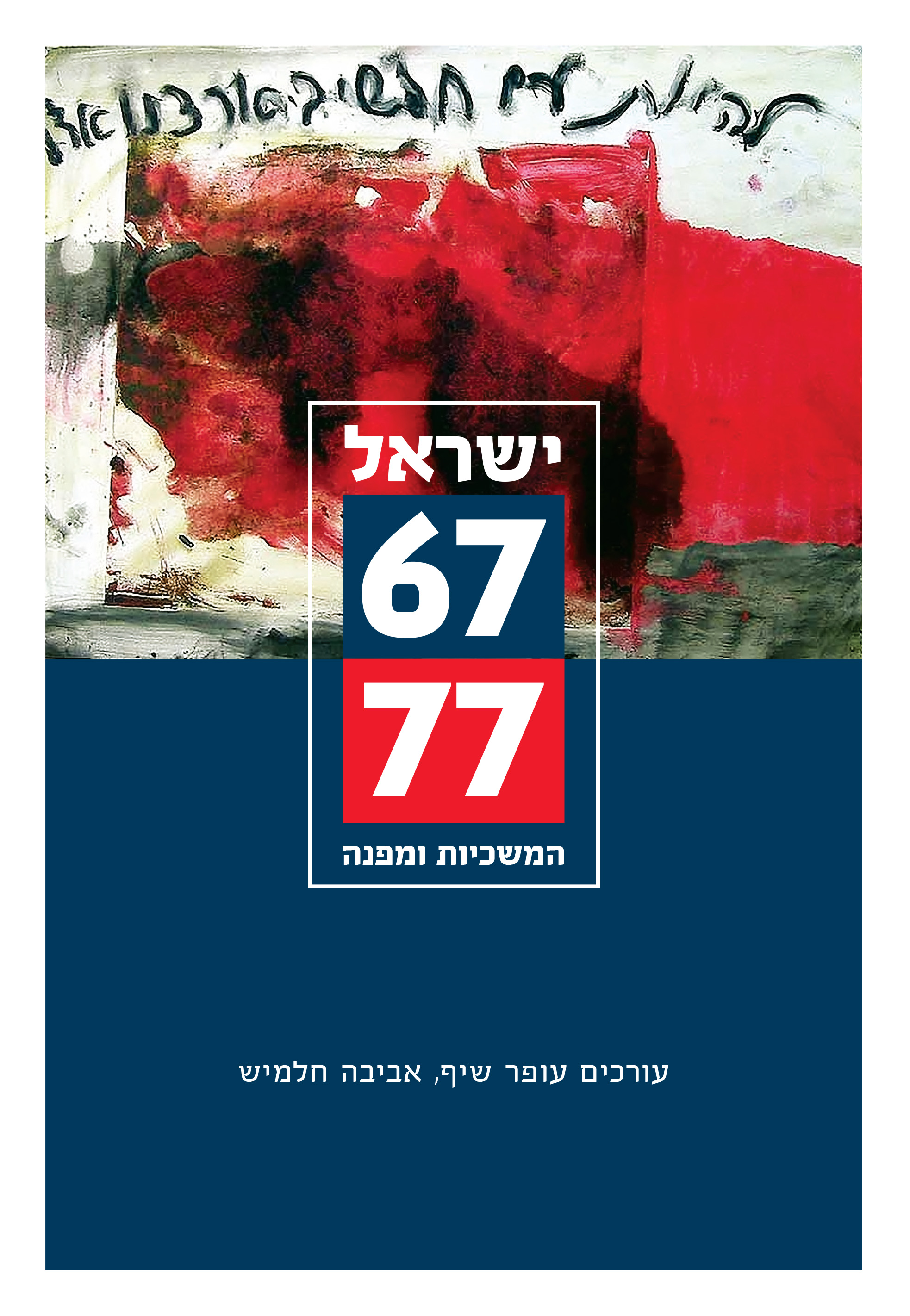
Published
Issue
Section
License
Copyright (c) 2017 IYUNIM: Multidisciplinary Studies in Israeli and Modern Jewish Society

This work is licensed under a Creative Commons Attribution-NonCommercial 4.0 International License.
Unless otherwise indicated, all articles published in IYUNIM: Multidisciplinary Studies in Israeli and Modern Jewish Society are licensed under a Creative Commons Attribution-NonCommercial 4.0 International License (CC BY-NC 4.0).
Under the terms of this license, users may read, download, copy, distribute, reproduce, and adapt the published material for non-commercial purposes, provided that appropriate credit is given to the author(s), the journal, and the original source, and that any changes made are clearly indicated.
Copyright is held by Iyunim: Studies in Israeli and Modern Jewish Society.
Third-party materials included in an article are not covered by this license unless otherwise indicated. If your intended use is not permitted by applicable law or exceeds the permissions granted by the license, you must obtain permission directly from the copyright holder(s).


