Israel’s Population in the Third Decade: Trends and Relationships
Keywords:
Israel’s Population, Demography, The Third Decade, Population Growth, International Migration, Natural Population Change, Geographic Distribution, Age Composition, Religious and Ethnic Groups, Demographic Policy, Six-Day War, Yom Kippur WarAbstract
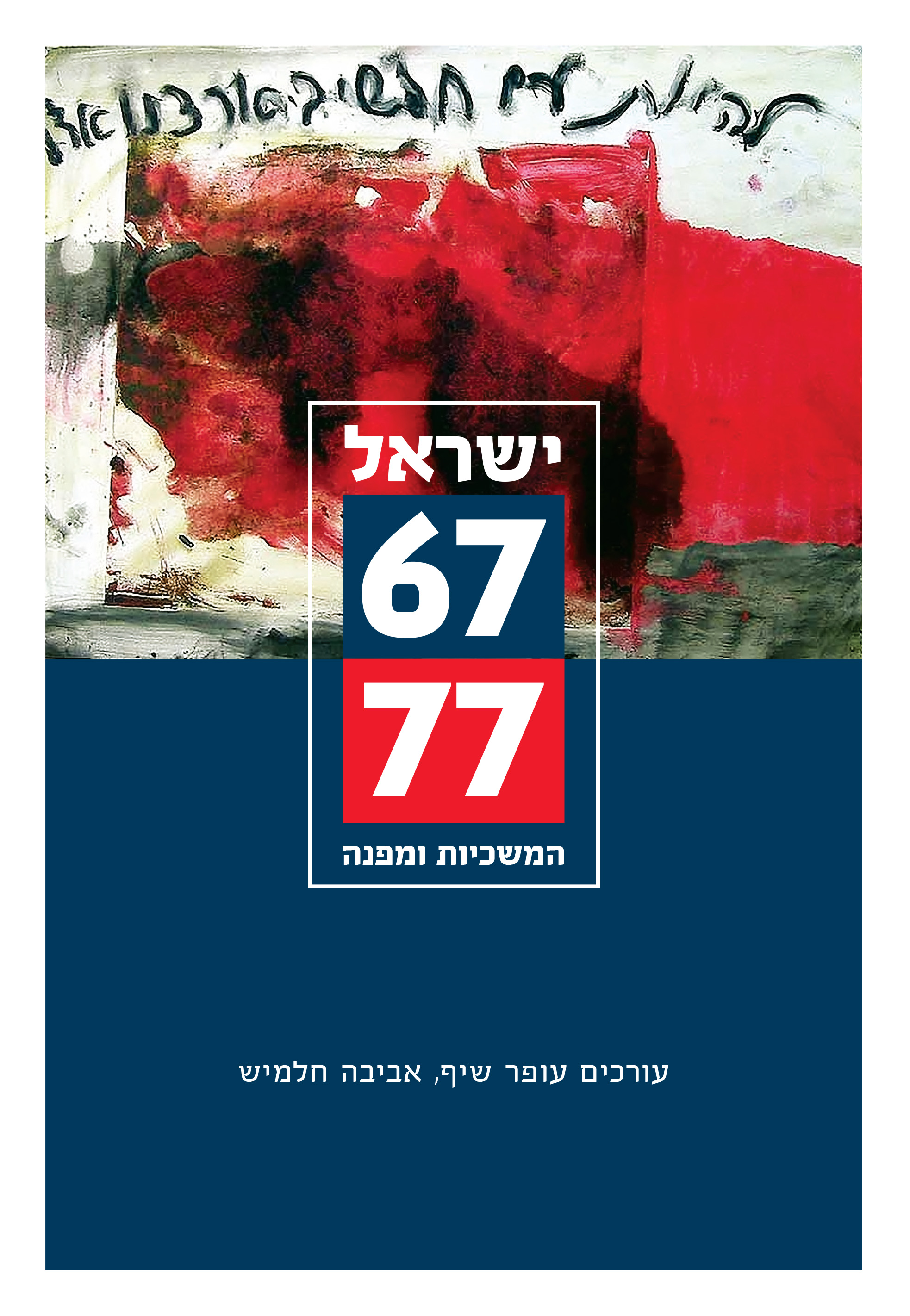
This article deals with the population and demography of the State of Israel in its third decade. The years under review are 1966 to 1976, before the 1977 political earthquake. In June 1967, shortly after the 19th Independence Day, the founding event of the Six-Day War occurred, and six years later in the middle of the third decade, came the anti-climax to the 1967 euphoria - the Yom Kippur War. The events of 1967 and 1973 raise the issue of whether and to what extent the demographic and social processes that began in the previous two decades changed, and whether the effects of the decade’s major military events were temporary and reversible or permanent. The article begins with a brief discussion on the main propellants of change in Israel’s population – structural change, behavioral transformation, institutional intervention, and, from 1967, the status and role in Israeli society of the Palestinians from the occupied territories. The article’s main focus is on the major demographic developments: population size, the growth of key religious and ethnic groups, international migration, natural movement (births and deaths), geographic distribution, countries of origin, seniority, and age composition. The article also provides a synthesis of several demographic and social indicators that reveal six types of change in the third decade as compared to the previous two and subsequent two decades. The last part of the article looks at the debate on demographic policy in the third decade and evaluates the policy decisions made at the time.
Published
Issue
Section
License
Copyright (c) 2017 IYUNIM: Multidisciplinary Studies in Israeli and Modern Jewish Society

This work is licensed under a Creative Commons Attribution-NonCommercial 4.0 International License.
Unless otherwise indicated, all articles published in IYUNIM: Multidisciplinary Studies in Israeli and Modern Jewish Society are licensed under a Creative Commons Attribution-NonCommercial 4.0 International License (CC BY-NC 4.0).
Under the terms of this license, users may read, download, copy, distribute, reproduce, and adapt the published material for non-commercial purposes, provided that appropriate credit is given to the author(s), the journal, and the original source, and that any changes made are clearly indicated.
Copyright is held by Iyunim: Studies in Israeli and Modern Jewish Society.
Third-party materials included in an article are not covered by this license unless otherwise indicated. If your intended use is not permitted by applicable law or exceeds the permissions granted by the license, you must obtain permission directly from the copyright holder(s).