
Asher Barash: Between Literature of the Tribe and Literature of a Nation
Keywords:
Asher Barash, Hebrew Literature, Zionism, Negation of the Diaspora, Sovereignty, Eretz-Israeli Literature, Man and His Home Were ErasedAbstract
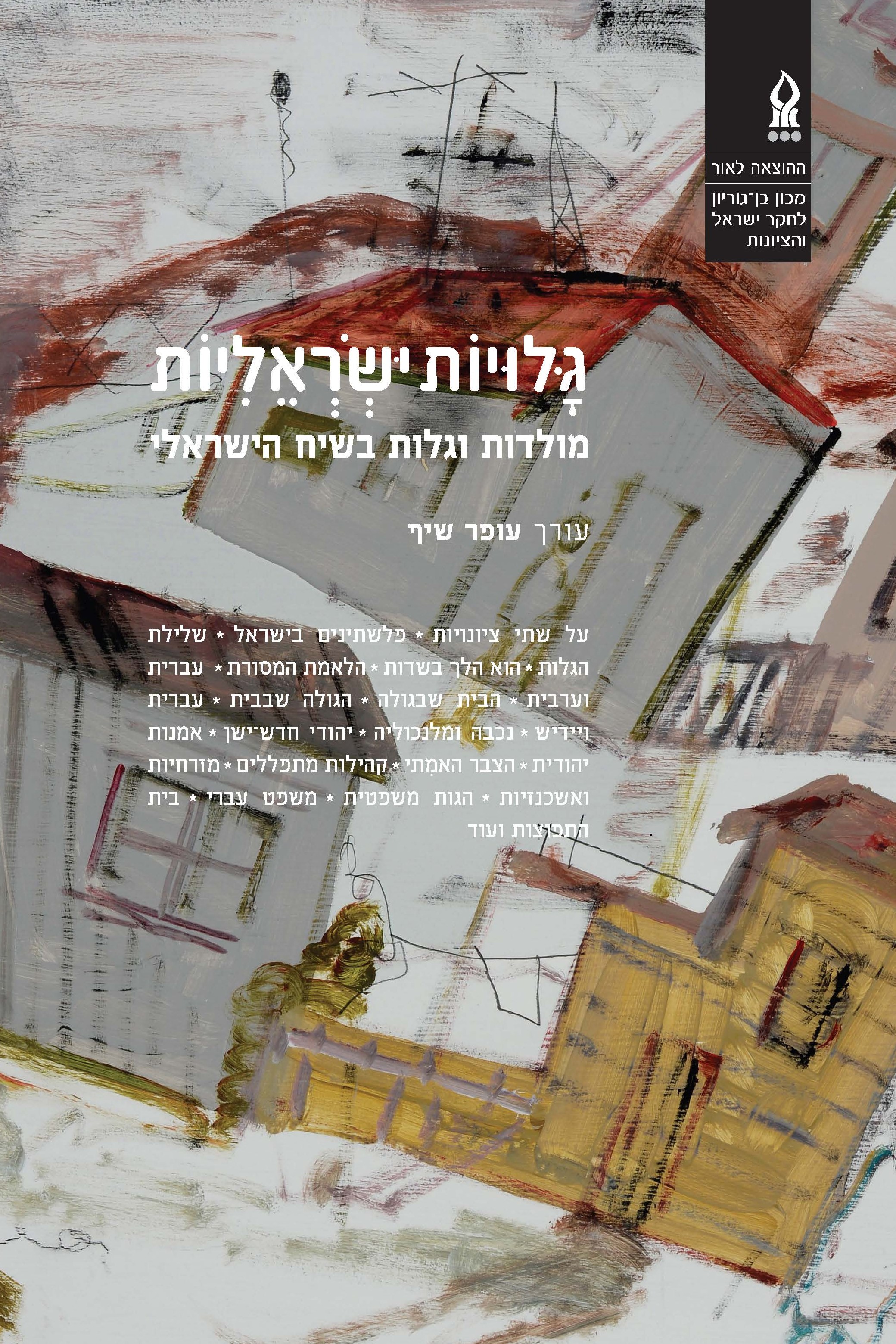
In 1931 writer, poet, and editor Asher Barash, one of the prominent figures in Hebrew Literature in Eretz Israel, published his presentation ‘Literature of a Tribe or Literature of a Nation?’. Barash was afraid of provinciality and alarmed that a fulfillment of Zionism, a fulfillment that will make the diaspora superfluous, will shrink the horizons of Hebrew Literature and will reduce it to a poor Eretz-Israeli Literature that turns its back to Jewish Literature. In contrast to the radical Zionist negation of the diaspora, the diaspora for Barash was not a temporary condition, but an historical human essence that stands for itself and influences the Hebrew cultural center in Eretz Israel. In contrast to the absolute concept of sovereignty of Berdichevski, Barash looked for an alternative and flexible model of sovereignty that would fit Jewish life in the diaspora. In his novella Man and his Home were Erased (1934) Barash criticized the Levantine, tribal, and non-sovereign character of Jewish life in Eretz Israel.
Published
Issue
Section
License
Copyright (c) 2015 IYUNIM: Multidisciplinary Studies in Israeli and Modern Jewish Society

This work is licensed under a Creative Commons Attribution-NonCommercial 4.0 International License.
Unless otherwise indicated, all articles published in IYUNIM: Multidisciplinary Studies in Israeli and Modern Jewish Society are licensed under a Creative Commons Attribution-NonCommercial 4.0 International License (CC BY-NC 4.0).
Under the terms of this license, users may read, download, copy, distribute, reproduce, and adapt the published material for non-commercial purposes, provided that appropriate credit is given to the author(s), the journal, and the original source, and that any changes made are clearly indicated.
Copyright is held by Iyunim: Studies in Israeli and Modern Jewish Society.
Third-party materials included in an article are not covered by this license unless otherwise indicated. If your intended use is not permitted by applicable law or exceeds the permissions granted by the license, you must obtain permission directly from the copyright holder(s).


