
'Where is My Home?' Orthodox Jews in America During the Twentieth Century
Keywords:
Orthodox Judaism, American Jewry, Americanization, Separation of Religion and State, Jewish Identity, Social and Cultural IntegrationAbstract
This article analyzes the positions of a number of prominent Orthodox rabbis in Eastern Europe and the United States toward Jewish life in America from the late nineteenth and early twentieth centuries – the period of mass immigration to the United States – until the beginning of the twenty-first century. Attitudes toward separation of religion and state as well as various manifestations of Americanization are analyzed. American Orthodox social and cultural patterns indicating their degrees of integration into American society and culture during that period are also examined. The article concludes that by the end of the twentieth century, Orthodox Jews in America perceived themselves positively as full members of the society and did not view that as impinging on their Orthodox Jewish identity. They are apparently successful in integration of maintaining authentic Jewish life as they define it with loyalty and attachment to the United States. For them, Eretz Israel may be the Holy Land to which, when the Messiah comes, they may be gathered. Until then, America is home and it’s a fine one at that.
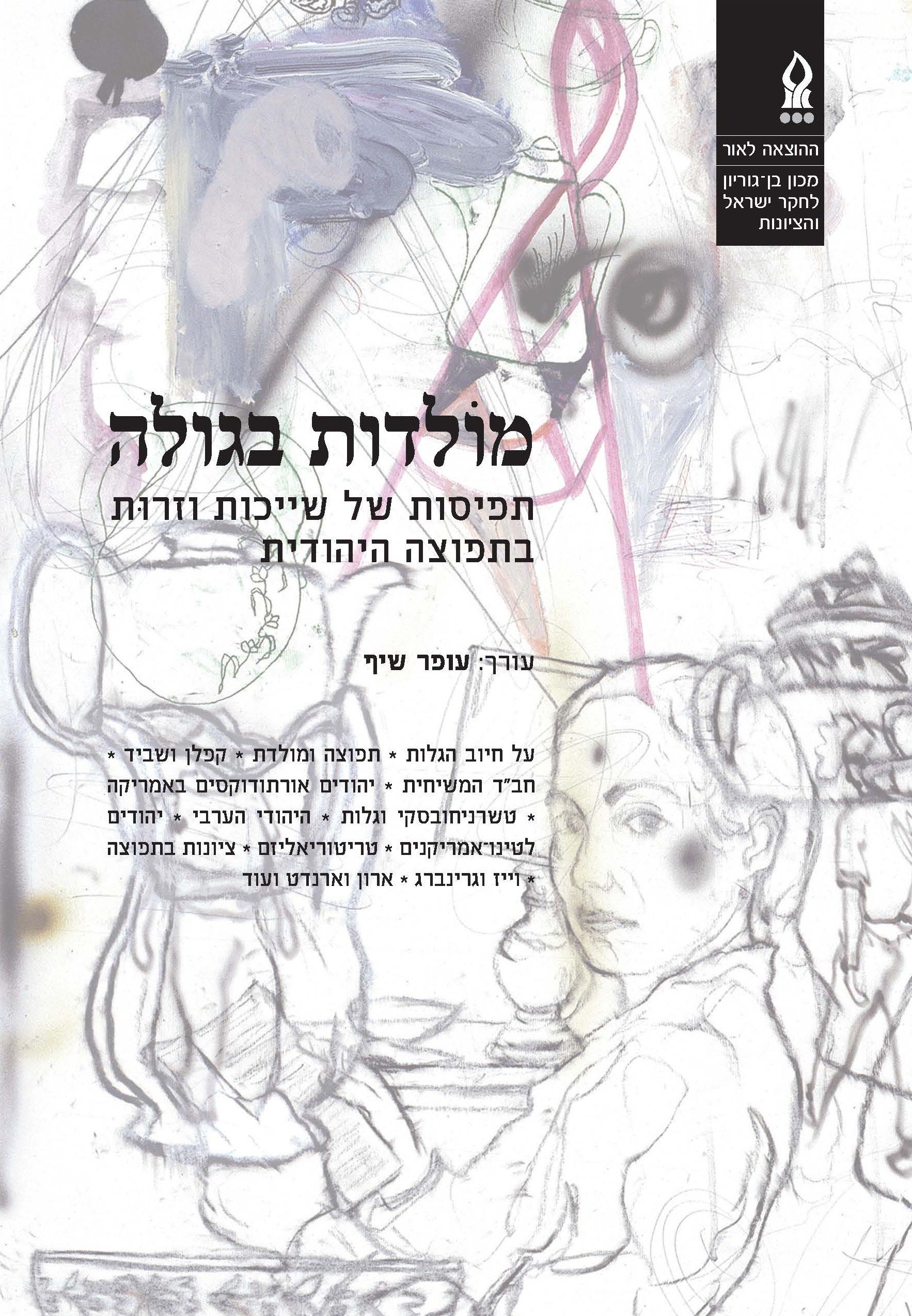
Published
Issue
Section
License
Copyright (c) 2015 IYUNIM: Multidisciplinary Studies in Israeli and Modern Jewish Society

This work is licensed under a Creative Commons Attribution-NonCommercial 4.0 International License.
Unless otherwise indicated, all articles published in IYUNIM: Multidisciplinary Studies in Israeli and Modern Jewish Society are licensed under a Creative Commons Attribution-NonCommercial 4.0 International License (CC BY-NC 4.0).
Under the terms of this license, users may read, download, copy, distribute, reproduce, and adapt the published material for non-commercial purposes, provided that appropriate credit is given to the author(s), the journal, and the original source, and that any changes made are clearly indicated.
Copyright is held by Iyunim: Studies in Israeli and Modern Jewish Society.
Third-party materials included in an article are not covered by this license unless otherwise indicated. If your intended use is not permitted by applicable law or exceeds the permissions granted by the license, you must obtain permission directly from the copyright holder(s).


