
An Introduction to Zen-Buddhist Reading in Yoel Hoffmann’s Writings
Keywords:
Yoel Hoffmann, Israeli literature, Far Eastern philosophy, Buddhism, Zen, Daoism, Intertextuality, Mutual co-arising, Haiku poetry, Sutras, Zen koansAbstract
Yoel Hoffmann has been one of the most enigmatic writers in Israeli literature for the past twenty-five years. He began writing belles-lettres after years of teaching and translating Japanese and Chinese philosophy and literature, especially Daoist and Zen-oriented texts, such as the Zhuangzi and haiku poetry. This article contributes to the discourse between Hoffmann’s writing and Far Eastern texts by focusing on two kinds of influences: the first is general or contextual and the second particular or intertextual. The first part of the article explains the basic principles of Buddhist thinking (inter-being or mutual co-arising) as background for an understanding of the peculiarities in Hoffmann’s writing. The second part looks at the more specific connection between Hoffmann and Zen sources, such as the quotations from and allusions to haiku poems, sutras, and Zen koans in many of his works.
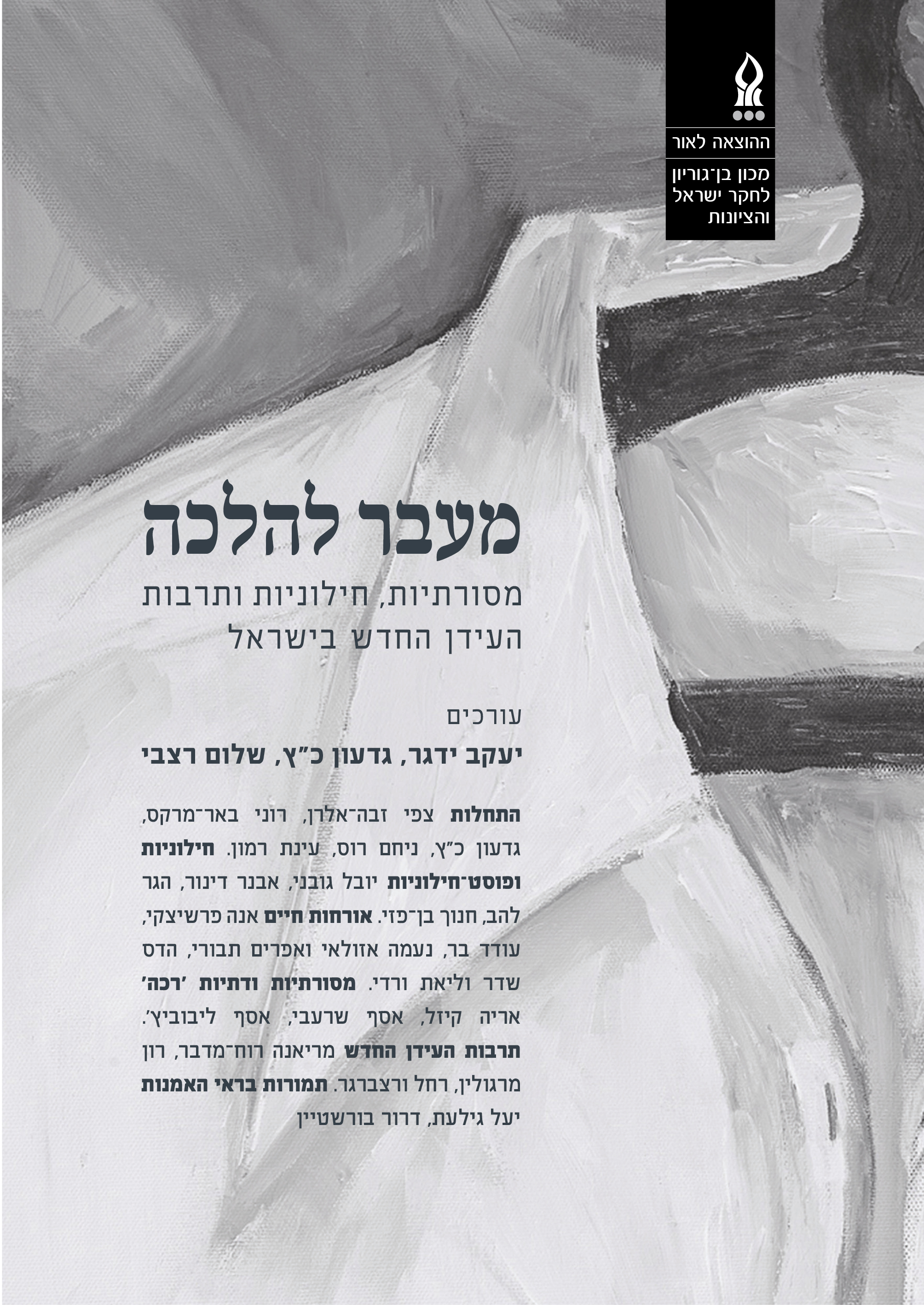
Published
Issue
Section
License
Copyright (c) 2014 IYUNIM: Multidisciplinary Studies in Israeli and Modern Jewish Society

This work is licensed under a Creative Commons Attribution-NonCommercial 4.0 International License.
Unless otherwise indicated, all articles published in IYUNIM: Multidisciplinary Studies in Israeli and Modern Jewish Society are licensed under a Creative Commons Attribution-NonCommercial 4.0 International License (CC BY-NC 4.0).
Under the terms of this license, users may read, download, copy, distribute, reproduce, and adapt the published material for non-commercial purposes, provided that appropriate credit is given to the author(s), the journal, and the original source, and that any changes made are clearly indicated.
Copyright is held by Iyunim: Studies in Israeli and Modern Jewish Society.
Third-party materials included in an article are not covered by this license unless otherwise indicated. If your intended use is not permitted by applicable law or exceeds the permissions granted by the license, you must obtain permission directly from the copyright holder(s).


