
Between Culture and Politics: Young Protest in Israel
Keywords:
Youth Protest, Labor Movement Hegemony, Counterculture, New Left, Student Demonstrations, Conformism, Socioeconomic Tensions, Normalization, Economic Development, The 1977 Political TurnoverAbstract
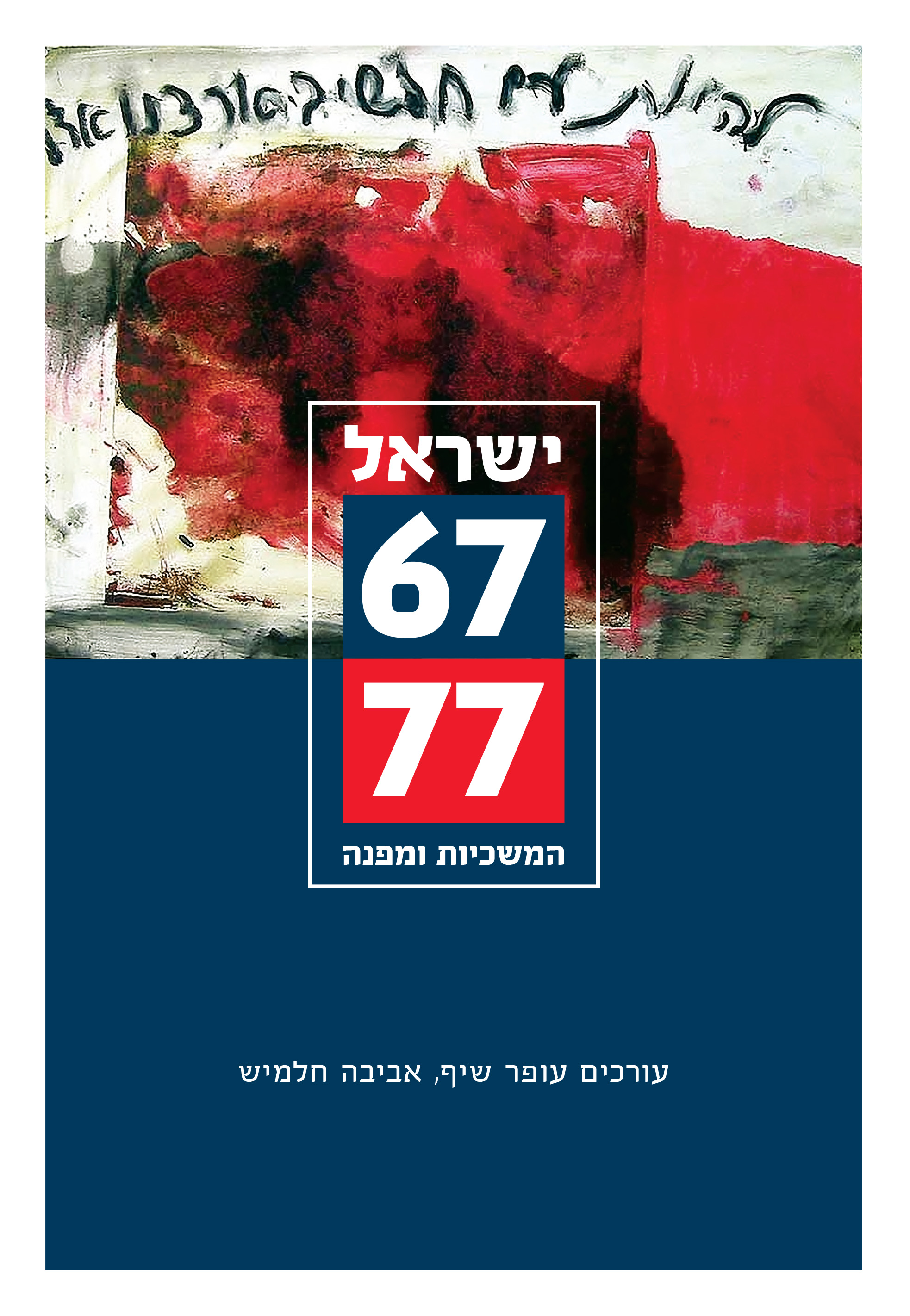
Between 1967 and 1977 Israel experienced unprecedented social, cultural and political protests whose main target was Labor Movement hegemony. The protestors were young people, a public that had traditionally represented conformism and obedience to the national establishment.
The decade of protest in Israel coincided with the Western world’s counterculture, New Left, and student demonstrations. The Israeli case, however, reflected the local context of wars, the peace process, and socialeconomic tensions.
This article analyzes Israel’s youth protest of 1967-1977 by combining the local and global perspectives and determining their relation to the two main processes that Israeli society was going through in that period: normalization and economic development after the heroic years of the War of Independence and mass immigration, and the decline of the Israeli Labor Movement, which ended with the 1977 political upheaval.
Published
Issue
Section
License
Copyright (c) 2017 IYUNIM: Multidisciplinary Studies in Israeli and Modern Jewish Society

This work is licensed under a Creative Commons Attribution-NonCommercial 4.0 International License.
Unless otherwise indicated, all articles published in IYUNIM: Multidisciplinary Studies in Israeli and Modern Jewish Society are licensed under a Creative Commons Attribution-NonCommercial 4.0 International License (CC BY-NC 4.0).
Under the terms of this license, users may read, download, copy, distribute, reproduce, and adapt the published material for non-commercial purposes, provided that appropriate credit is given to the author(s), the journal, and the original source, and that any changes made are clearly indicated.
Copyright is held by Iyunim: Studies in Israeli and Modern Jewish Society.
Third-party materials included in an article are not covered by this license unless otherwise indicated. If your intended use is not permitted by applicable law or exceeds the permissions granted by the license, you must obtain permission directly from the copyright holder(s).


