
Amos Oz and Hanoch Levin as Anti-Euphoric Prophets of Rebuke
Keywords:
Anti-Euphoric Discourse, Amos Oz, Hanoch Levin, Six-Day War, Yom Kippur War, Victory Euphoria, Personal Bereavement, Religious Messianism, Movement for Greater Israel, Territorial Sanctification, Glorification of War, Cultural CriticismAbstract
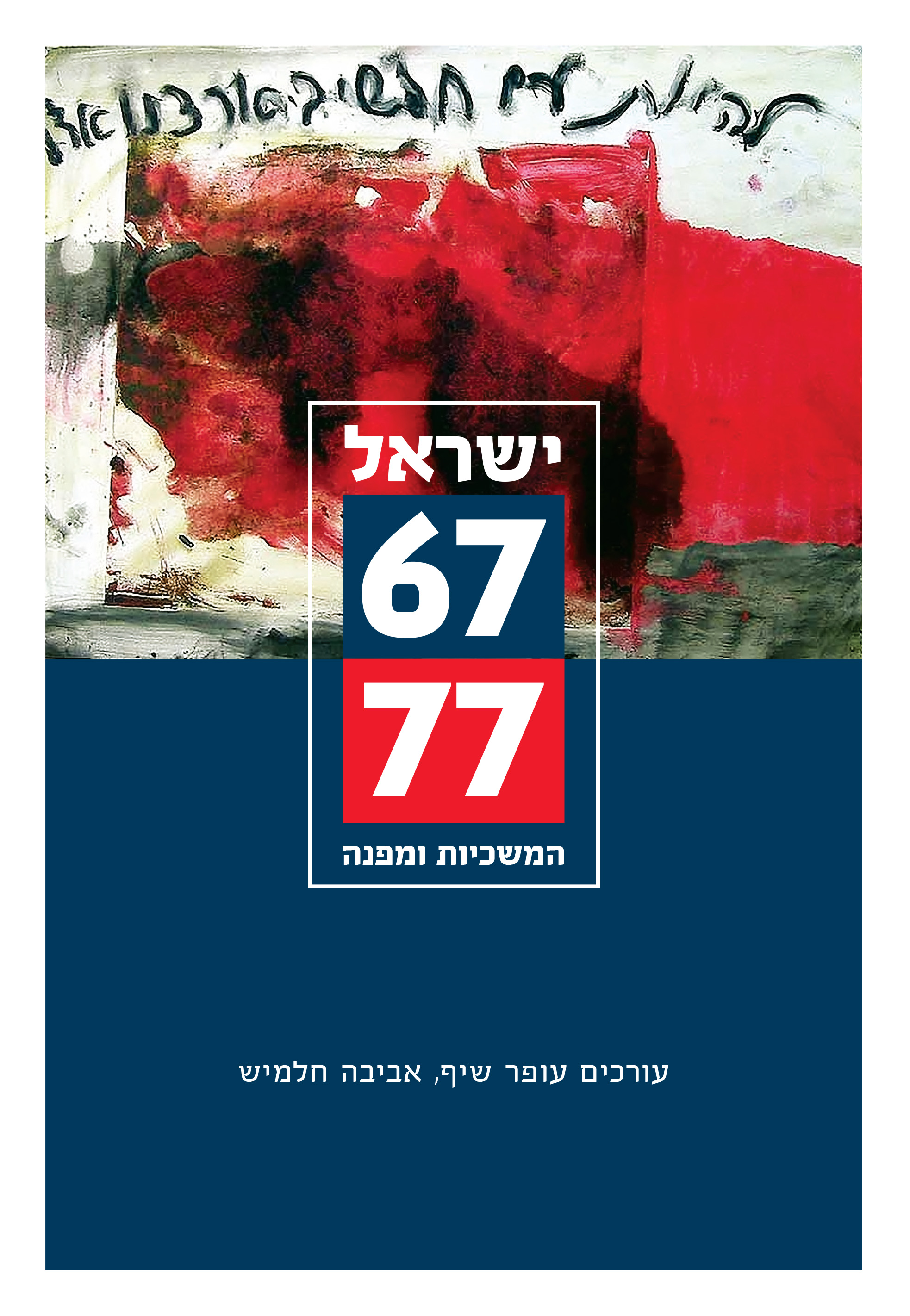
This paper considers the anti-euphoric discourse that developed in Israel in reaction to the ecstatic atmosphere during the ‘six years of empire’ between the Six-Day War and Yom Kippur War. The paper focuses on the works of two of the most prominent figures in this discourse: Amos Oz and Hanoch Levin.
Although their styles are fundamentally different, both writers were very similar in their wish to burst the steadily inflating balloon that clouded the post-1967 public discourse.
Both authors felt the gap between personal bereavement and the collective victory euphoria, and both protested the triumphalism of Rabbi Goren and his disciples of the religious messianic movement, and the exultation of Alterman and his followers in the Movement for Greater Israel.
The three kinds of elated worship that Oz and Levin wanted to shatter were territorial sanctity, the justification of Israeli conduct, and the glorification of the Six-Day War. The article analyzes the similarities and differences between the two authors.
Published
Issue
Section
License
Copyright (c) 2017 IYUNIM: Multidisciplinary Studies in Israeli and Modern Jewish Society

This work is licensed under a Creative Commons Attribution-NonCommercial 4.0 International License.
Unless otherwise indicated, all articles published in IYUNIM: Multidisciplinary Studies in Israeli and Modern Jewish Society are licensed under a Creative Commons Attribution-NonCommercial 4.0 International License (CC BY-NC 4.0).
Under the terms of this license, users may read, download, copy, distribute, reproduce, and adapt the published material for non-commercial purposes, provided that appropriate credit is given to the author(s), the journal, and the original source, and that any changes made are clearly indicated.
Copyright is held by Iyunim: Studies in Israeli and Modern Jewish Society.
Third-party materials included in an article are not covered by this license unless otherwise indicated. If your intended use is not permitted by applicable law or exceeds the permissions granted by the license, you must obtain permission directly from the copyright holder(s).


