
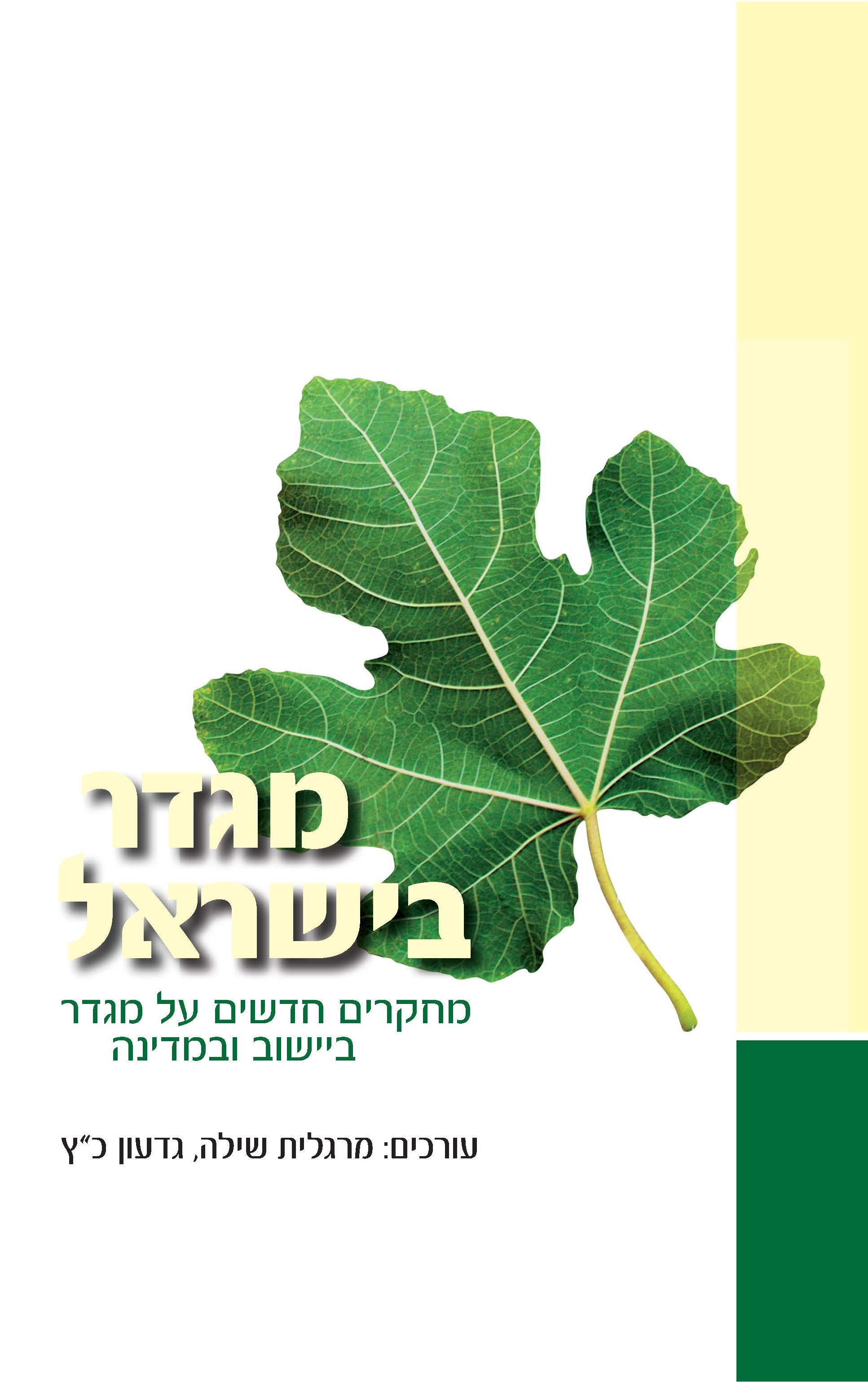
Ada Fishman-Maimon: Jewish Feminism and Israeli Parliamentary Legislation
Keywords:
Ada Maimon, Jewish feminism, Jewish sources, Women Workers Movement, Zionist Workers Movement, Mapai, Hapo’el Hatza’ir, Knesset speeches, Gender equality, Class equality, Religion and secularismAbstract
The article discusses Ada Maimon’s feminist worldview that was based on Jewish sources. Maimon was one of the founders of the Zionist Workers Movement in the Yishuv and a member of Mapai (the Labor Party) in the First and Second Knessets. The article analyzes her parliamentary speeches in the first years of statehood. Her speeches are filled with biblical, Talmudic, and traditional references that combine Judaism, Zionism, and a form of Jewish feminism that was unique in her generation. This is evident from the coldshoulder she received in the Justice Committee and in the Knesset plenum by religious and secular parliamentarians, as well as right-wing and leftwing Knesset members. Her speeches serve as a kind of theoretical summary of a feminist worldview based on Jewish sources. She expressed this view already in her early years (a biographical study of Ada Maimon has yet to be made) when she was a political activist in the socialist-Zionist political party ‘Hapo’el Hatza’ir’ and educator at the ‘Ma’ayanot’ Youth Village.
Only later did her worldview crystallize, which is why her Knesset speeches can be seen as an important stage in her writing and a reflection of the history of the Women Workers Movement in Israel. These speeches remain a fascinating feminist interpretation of Jewish sources with Zionist overtones (for example, she believed that national unity took precedence over civil marriages in Israel) and a socialist bent (she regarded Jewish sources as the basis for class and gender equality). Her speeches contain no sharp distinction between religion and secularism that is so common in the history of the Zionist Movement. Maimon was an observant Jew who found her place in the secular camp. Her personal life, like her writing, reflects the dialectic of religious and secular life in the Zionist Workers Movement.
Downloads
Published
Issue
Section
License
Copyright (c) 2011 IYUNIM: Multidisciplinary Studies in Israeli and Modern Jewish Society

This work is licensed under a Creative Commons Attribution-NonCommercial 4.0 International License.
Unless otherwise indicated, all articles published in IYUNIM: Multidisciplinary Studies in Israeli and Modern Jewish Society are licensed under a Creative Commons Attribution-NonCommercial 4.0 International License (CC BY-NC 4.0).
Under the terms of this license, users may read, download, copy, distribute, reproduce, and adapt the published material for non-commercial purposes, provided that appropriate credit is given to the author(s), the journal, and the original source, and that any changes made are clearly indicated.
Copyright is held by Iyunim: Studies in Israeli and Modern Jewish Society.
Third-party materials included in an article are not covered by this license unless otherwise indicated. If your intended use is not permitted by applicable law or exceeds the permissions granted by the license, you must obtain permission directly from the copyright holder(s).


