
Diaspora-Homeland: Driving Belts of Transnationalism
Keywords:
Israel–Diaspora relations, Jewish identity, Zionism, Diasporism, Canaanism, Jewish peoplehood, Homeland, MulticulturalismAbstract
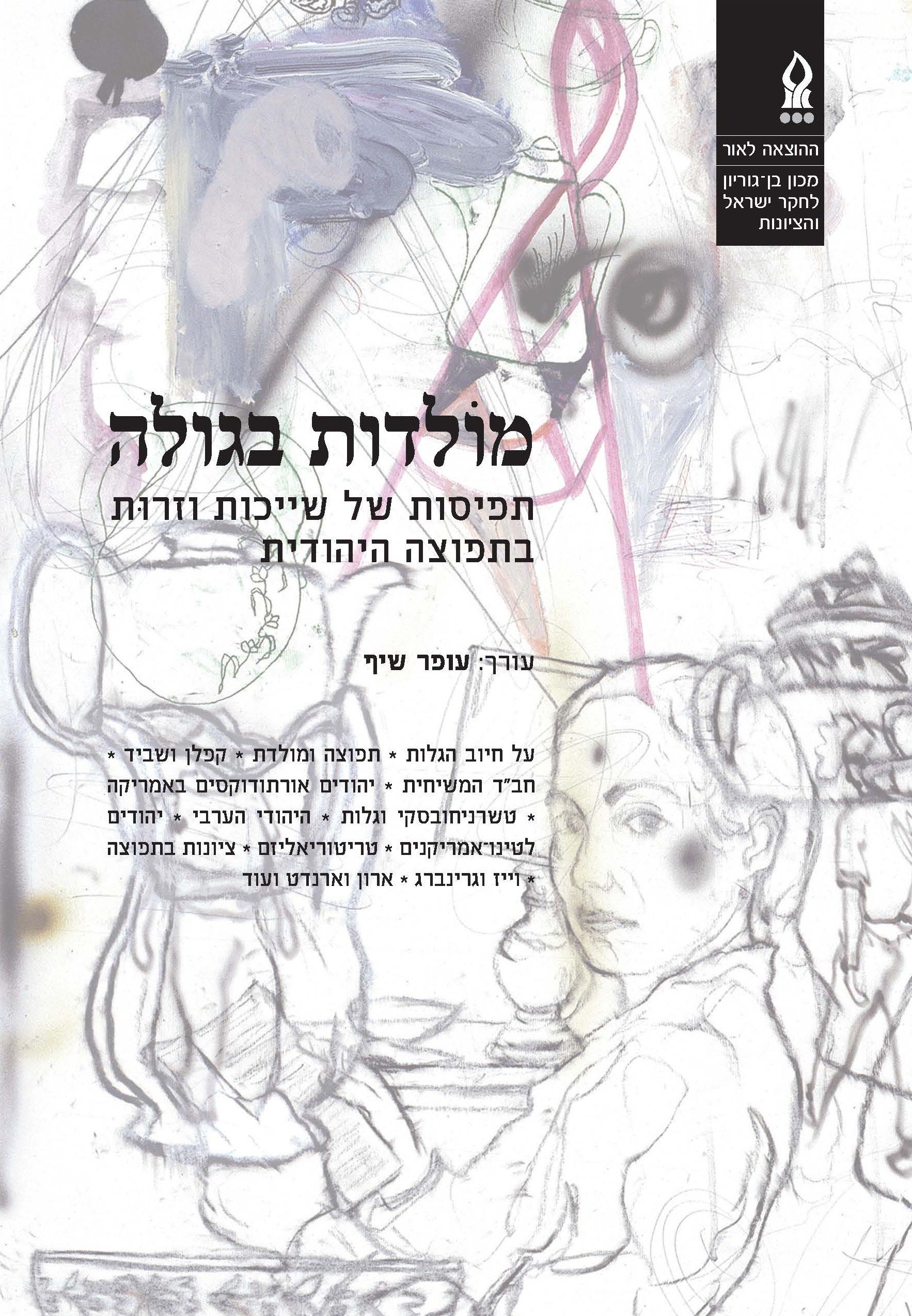
Israel–Diaspora relations are a focus of an ongoing debate. The Zionist assesses the ultimate importance of Israel as the center of the Jewish world; others advocate an Israeli–American bi-focal model; the diasporist model considers Jewishness as essentially attached to the diaspora; the Canaanite model radicalize the diasporist perspective from the viewpoint of Israelis. All in all, the Jewish world consists of a variety of entities sharing some common symbols, but where each component speaks its own language and exhibits its own national markers. Each of them is crosscut by movements and trends fighting for predominance over Jewishness as a whole. Divergences are numerous, indeed. While for diasporans, for instance, Jewishness is firstly a matter of individual commitment subordinate to different national identities, Jewish Israeliness comprehends the very reality of daily life. Confronted by survival challenges, many Israelis develop realpolitik understandings of their condition, while diasporans often follow Middle-Eastern events through judgmental opinions. Diasporans often aspire for exceptional social mobility, while the exceptionalism of Israelis resides in their keeping more or less to normality despite their overburdening with endless challenges. If we add demographic contrasts, the moledet (homeland) originally created by diasporans has indeed become very ‘different’. Paradoxically, these are the tensions that crosscut boundaries that unveil the Am Ehad (one nation). What appears is that this disparate Jewish world made of multiple diasporas, and the one multicultural homeland does not have a center at all. Allegiances to a same ‘whole’ is mainly grounded in a kind of family belonging that describes Jews in the diaspora and in Israel, not as one nation but still as one people, one world, and above all, one privileged space of interconnectedness.
Published
Issue
Section
License
Copyright (c) 2015 IYUNIM: Multidisciplinary Studies in Israeli and Modern Jewish Society

This work is licensed under a Creative Commons Attribution-NonCommercial 4.0 International License.
Unless otherwise indicated, all articles published in IYUNIM: Multidisciplinary Studies in Israeli and Modern Jewish Society are licensed under a Creative Commons Attribution-NonCommercial 4.0 International License (CC BY-NC 4.0).
Under the terms of this license, users may read, download, copy, distribute, reproduce, and adapt the published material for non-commercial purposes, provided that appropriate credit is given to the author(s), the journal, and the original source, and that any changes made are clearly indicated.
Copyright is held by Iyunim: Studies in Israeli and Modern Jewish Society.
Third-party materials included in an article are not covered by this license unless otherwise indicated. If your intended use is not permitted by applicable law or exceeds the permissions granted by the license, you must obtain permission directly from the copyright holder(s).


